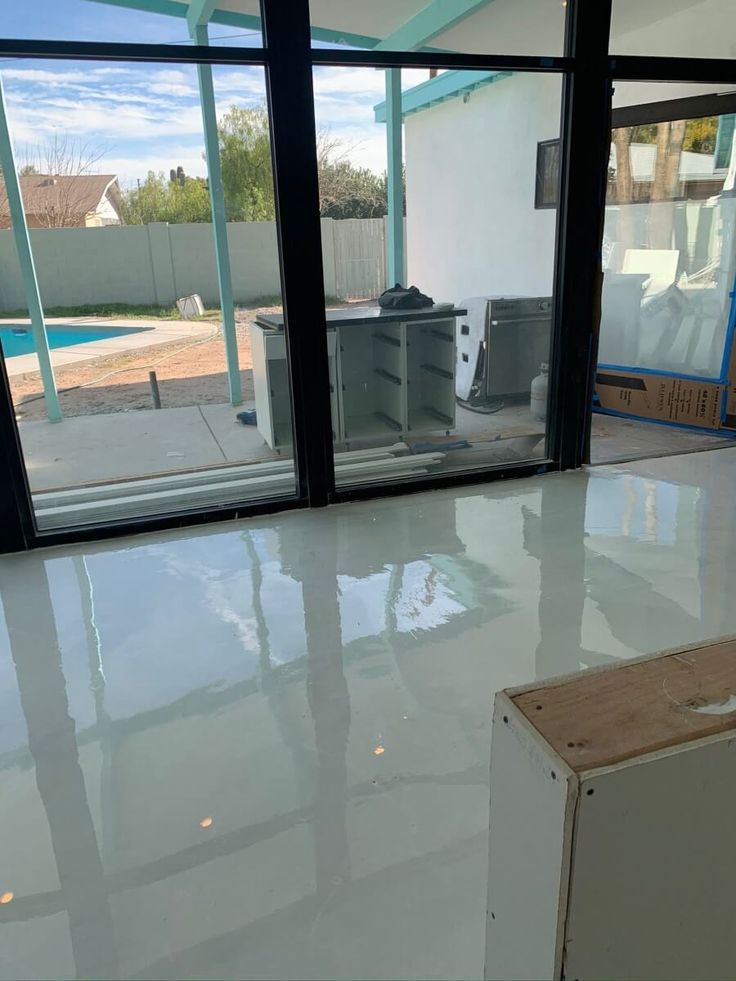
Flooring occupies a significant visual area within a home, yet it is sometimes treated as a background feature rather than part of the overall design. Homeowners considering metallic epoxy flooring may be looking for something more distinctive than a conventional finish, particularly in spaces where the floor is intended to contribute to the room’s character.
Decorative flooring still needs practical planning. The existing concrete, room use, lighting, surrounding colours and maintenance expectations can all influence whether a particular finish makes sense for the property.
Start With the Room’s Purpose
A decorative surface should work with the way the room is used. A garage, entertainment area, home workspace and utility room can all have different traffic patterns and practical requirements.
Think about furniture, storage and regular activities before selecting the finish. This helps prevent design preferences from overshadowing how the floor needs to function after installation.
Inspect the Concrete First
Concrete condition can influence both preparation and the final appearance. Cracks, stains, old coatings and previous repairs should be identified before the project is finalized.
A professional assessment provides an opportunity to discuss these conditions and understand the preparation process. This stage is particularly important when the existing slab has been in use for many years.
Consider Other Residential Options
Not every room needs a highly decorative surface. Some homeowners prefer a more understated finish that complements existing walls, furniture and architectural features.
When exploring residential epoxy flooring, consider the complete room rather than choosing from a sample in isolation. Colour, texture and sheen can look different across a large floor, especially under the property’s actual natural and artificial lighting.
Use Lighting as Part of the Design
Lighting can have a noticeable effect on decorative flooring. Natural daylight may highlight details differently throughout the day, while artificial lighting can alter how colour and sheen appear in the evening.
Consider where windows and light fixtures are positioned before making final visual decisions. Viewing samples under similar lighting conditions can provide more useful context than seeing them only in a showroom.
Coordinate With Existing Materials
A floor should relate naturally to the materials already present in the room. Timber cabinetry, painted walls, metal fixtures and other surfaces can all influence how a decorative finish appears.
The aim does not necessarily have to be perfect matching. Contrast can work effectively when it is intentional and balanced with the rest of the interior.
Avoid Making Every Feature Compete
A dramatic floor can become the main visual feature of a room. If walls, furniture and other finishes are equally bold, the overall space may feel unnecessarily busy.
Consider allowing one or two elements to take visual priority. Simpler surrounding finishes can give a distinctive floor more room to contribute to the design without overwhelming the space.
Understand Installation Requirements
A flooring upgrade may temporarily make the room unavailable. Furniture, stored belongings and equipment will generally need to be moved before preparation starts.
Ask about the project sequence and expected access restrictions. Planning temporary storage makes the installation period easier to manage and avoids rushed decisions on the first day of work.
Ask About Ongoing Care
Decorative flooring still needs routine maintenance. Dust, grit and spills should be handled using methods appropriate for the completed surface.
Understanding cleaning recommendations from the beginning helps homeowners decide whether a finish fits their lifestyle. It also prevents unnecessary experimentation with products that may not be recommended.
Keep Long-Term Design in Mind
Interior trends change, while flooring can remain in place for a considerable period. Choosing a finish purely because it is currently fashionable may not suit every homeowner.
Think about personal preferences and the wider style of the property. A floor that feels connected to the home can remain visually relevant even as furniture and smaller decorative elements change.
Conclusion
Decorative flooring can become an important design element when it is planned around the room rather than selected in isolation. Existing concrete, lighting, furniture, colour and daily use all influence how the completed surface will look and function.
Balancing creativity with practical considerations can produce a more cohesive result. By considering installation and future maintenance alongside appearance, homeowners can create a space that feels distinctive without losing sight of everyday usability.