Animal shelters, veterinary clinics, boarding facilities, and commercial kennels have flooring requirements that differ significantly from ordinary commercial spaces. Animals move close to the ground, cleaning takes place frequently, liquids are unavoidable, and staff members must work safely during busy periods. A suitable floor therefore needs to support hygiene, traction, durability, and efficient maintenance at the same time. Looking at these operational demands before selecting a flooring system can prevent problems that become difficult or expensive to correct later.
Hygiene Starts With the Surface
Animal-care environments require frequent cleaning because floors may be exposed to water, animal waste, disinfectants, food, and other contaminants throughout the day. Porous or badly damaged surfaces can make this process more difficult because liquids may penetrate cracks or irregular areas.
A seamless resinous surface can reduce joints and openings where moisture and debris might accumulate. This can make routine sanitation more manageable for staff, particularly in areas that need to be washed repeatedly.
Floor-to-wall transitions also deserve attention. Curved cove bases can eliminate sharp internal corners, allowing cleaning equipment and washdown procedures to reach areas that might otherwise collect residue.
Traction Must Remain Practical
A wet floor creates obvious concerns for employees and animals. Clinics and kennels therefore need sufficient texture to support stable movement, particularly around washing areas, treatment spaces, entrances, and locations near drainage points.
Facilities researching a professional Kennel Flooring Service should consider how surface texture affects both traction and cleaning. Extremely rough flooring may collect soil or become uncomfortable for animals, while a surface that is too smooth may provide insufficient grip when wet.
The right finish should balance these competing requirements instead of treating slip resistance as a single-number decision.
Cleaning Chemicals Affect Durability
Veterinary facilities often rely on disinfectants and other cleaning products that are stronger or used more frequently than products in standard offices. Flooring should be selected with these cleaning procedures in mind.
Facility managers should document the products regularly used by staff and discuss them during the specification process. Chemical resistance varies between flooring systems, so knowing the expected exposure can help contractors select appropriate resin layers and protective finishes.
Cleaning compatibility is especially important because changing an established sanitation routine simply to protect an unsuitable floor is rarely practical.
Drainage Deserves Early Attention
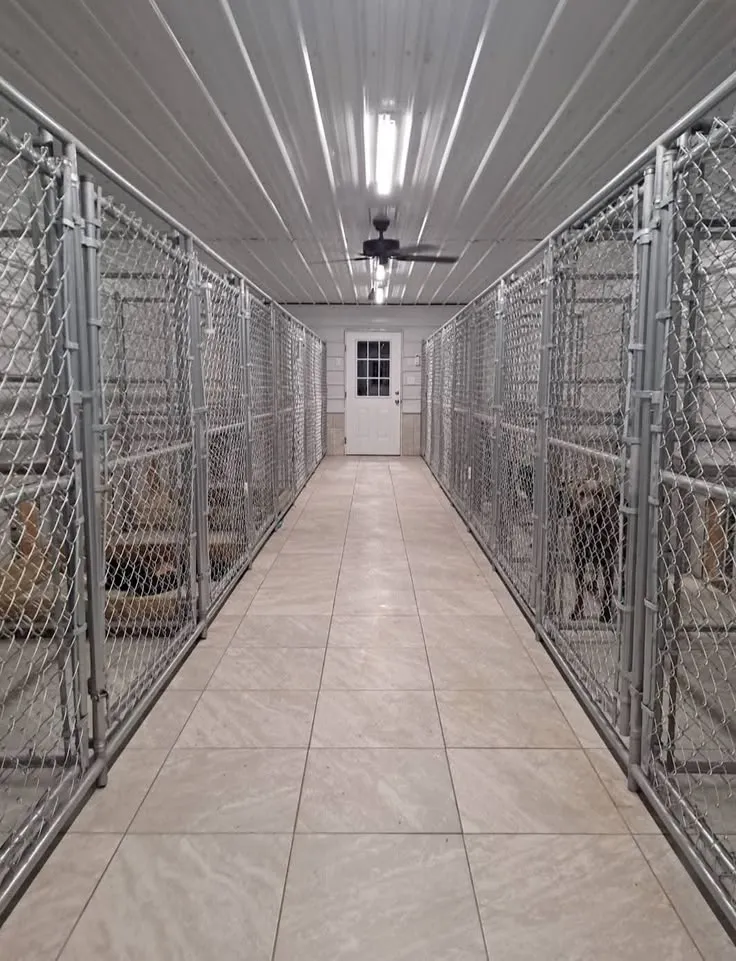
Drainage is particularly important in kennel runs, bathing areas, animal housing spaces, and other zones exposed to regular washdowns. Water that remains on the floor can interfere with cleaning efficiency, create unwanted odors, and increase slipping concerns.
Flooring work should therefore account for existing drains and the way water moves across the surface. Low spots or poorly planned transitions may allow liquids to collect even when the coating itself performs correctly.
Drainage planning should happen before installation rather than after a new surface reveals existing slope problems.
Different Rooms Need Different Priorities
A veterinary facility is rarely one uniform environment. Reception spaces, examination rooms, treatment areas, surgical support rooms, kennels, storage areas, and outdoor animal zones can experience very different types of traffic and contamination.
When considering Veterinary Epoxy Flooring Nj, decision-makers should evaluate flooring according to each area’s actual use. Indoor clinical spaces may place greater emphasis on sanitation and easy cleaning, while animal housing areas may require stronger attention to traction, liquid resistance, and repeated washdowns.
Outdoor areas introduce additional environmental considerations, making it important to select materials specifically suited to their exposure conditions.
Concrete Preparation Cannot Be Ignored
Even an appropriate resinous flooring system depends on the concrete below it. Existing coatings, cracks, weak concrete, contamination, and moisture can affect adhesion if they are not addressed before installation.
Mechanical surface preparation helps remove unsuitable material while creating a profile for the new system. Damaged areas should also be repaired before subsequent flooring layers are installed.
Facility owners should ask how the substrate will be evaluated and prepared rather than judging a proposal solely by the visible finish.
Maintenance Should Be Routine
A new floor still requires inspection and maintenance. High-traffic locations, drains, transitions, and areas around equipment should be checked regularly for signs of damage.
Small defects are generally easier to manage when identified early. Staff should also know which cleaning methods and products are suitable for the installed system. Combining appropriate maintenance with regular cleaning helps keep the flooring functional without allowing minor wear to develop into a larger repair project.
Conclusion
Flooring in an animal-care facility influences far more than appearance. It affects cleaning routines, staff movement, animal traction, drainage, sanitation, and long-term maintenance.
The strongest flooring decisions begin with a detailed understanding of how each space functions. By considering surface texture, chemical exposure, drainage, concrete Preparation, room-specific requirements, and future maintenance together, veterinary clinics and commercial kennels can create flooring environments that better support both everyday operations and the animals that depend on them.