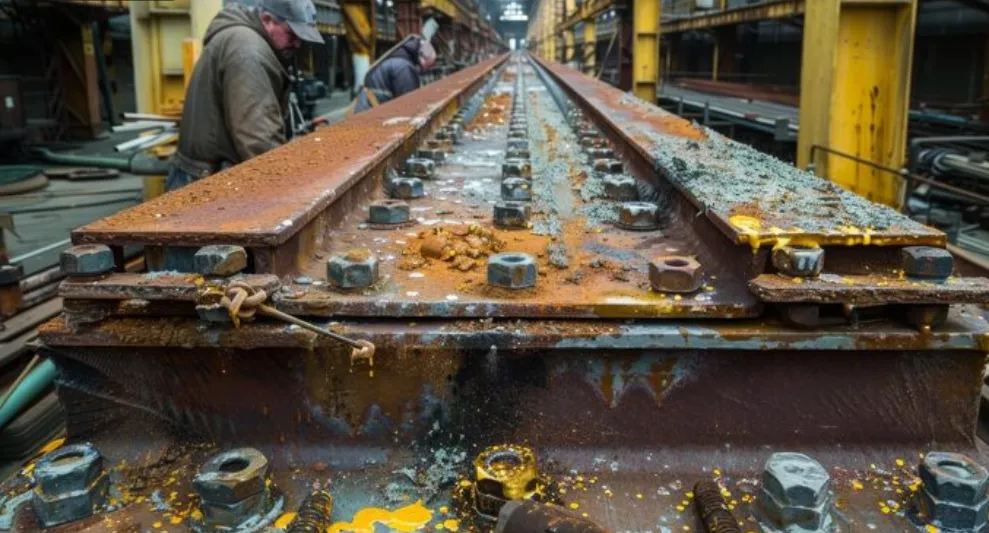
Rust never takes a day off. It creeps into pipes, tanks, fasteners and frames, and it does its damage quietly until something fails. Choosing Corrosion resistant metals USA from the start costs a little more now, but it spares a plant from repairs, shutdowns and safety risks later.
Not every metal fights the same enemy. Salt water, acids, steam and plain moisture all attack in different ways. Matching the metal to the threat is the whole game. Get that right, and equipment can run for decades with little more than routine checks.
How Corrosion Damages Industrial Parts
Corrosion is a chemical reaction between metal and its surroundings. Oxygen, water, salts and chemicals strip material from the surface. Pits form, cracks follow, and strength drops without much warning.
Small spots grow fast. A pinhole in a pipe can become a leak within months. Corrosion also spreads under paint and coatings, hiding the harm. Regular inspection catches trouble early, when a fix is still cheap and quick.
Stress makes things worse. A part under constant load can crack in a corrosive setting at a force it would normally handle with ease. Welds and sharp corners are common weak spots. Smooth shapes and careful joints help the metal hold its shield for longer.
Metals That Stand Up to Rust
Stainless steel is the common choice, since chromium forms a thin shield on the surface. Titanium handles salt water and many chemicals very well. Nickel alloys cope with acids, while aluminium forms a natural oxide skin.
Each option has limits. Some stainless grades pit in chloride rich places like coastal sites. Titanium costs more but lasts. Ask your supplier which grade fits your environment, and request a mill certificate that proves what you are buying.
Matching Metal to Your Environment
Start with a plain list of conditions. Note temperature, moisture, chemical contact and mechanical load. A food plant, an offshore rig and a chemical tank each need different answers.
Think about contact between different metals too. Two unlike metals touching in damp air can speed up corrosion, a problem called galvanic attack. Choose compatible pairs, or add insulating washers. A small design choice can add years of service life.
Cost deserves an honest look here. A pricier alloy can be the cheaper choice once you count repairs, downtime and replacement work. Compare the cost over the whole life of the part, not just the quote on the day you buy.
Choosing Where to Shop Heat Resistant Metals
Many sites face heat as well as rust. Furnaces, exhausts and boilers need metals that keep their strength when hot. If you plan to Shop Heat resistant metals, check the maximum working temperature for each alloy and ask for test data.
Heat speeds up corrosion, so the two problems often arrive together. Nickel and cobalt alloys handle both well, though they cost more. Share your operating range and atmosphere with the supplier. Good suppliers ask follow up questions before they quote.
Surface Treatments and Protective Layers
Treatments add protection where the base metal needs help. Passivation cleans stainless steel and restores its shield. Anodising thickens the oxide on aluminium. Plating and coatings add further barriers.
Choose a treatment that suits the part and its use. A coating that chips off in service is worse than none at all. State the finish on your drawing, and ask how the supplier checks coating thickness and adhesion.
Testing, Records and Ongoing Care
Ask for test reports on each batch, including chemical analysis and, where needed, corrosion tests. Keep them with your order records. If a part fails later, those papers help trace the cause quickly.
Plan routine checks after installation. Clean part to remove salt and deposit and look for early pits or stain. Write down what you find. Over time those notes show how each metal behaves in your plant and guide smarter orders.
Train your team to spot early warning signs. Rust streaks, bubbling paint, white powder on aluminium and weeping joints all deserve a report. Staff who walk the site every day often see problems first. A simple checklist makes sure nothing gets missed.
Conclusion
Long lasting performance comes from simple choices. Know your environment, pick the right grade, add the right finish and keep records of what you buy. Those habits cut repairs and extend the life of every part.
Need a dependable supplier? Visit regmetals.com to explore the range and share your project needs. Start with clear conditions, ask direct questions and build from there. The right metal pays for itself over the years.